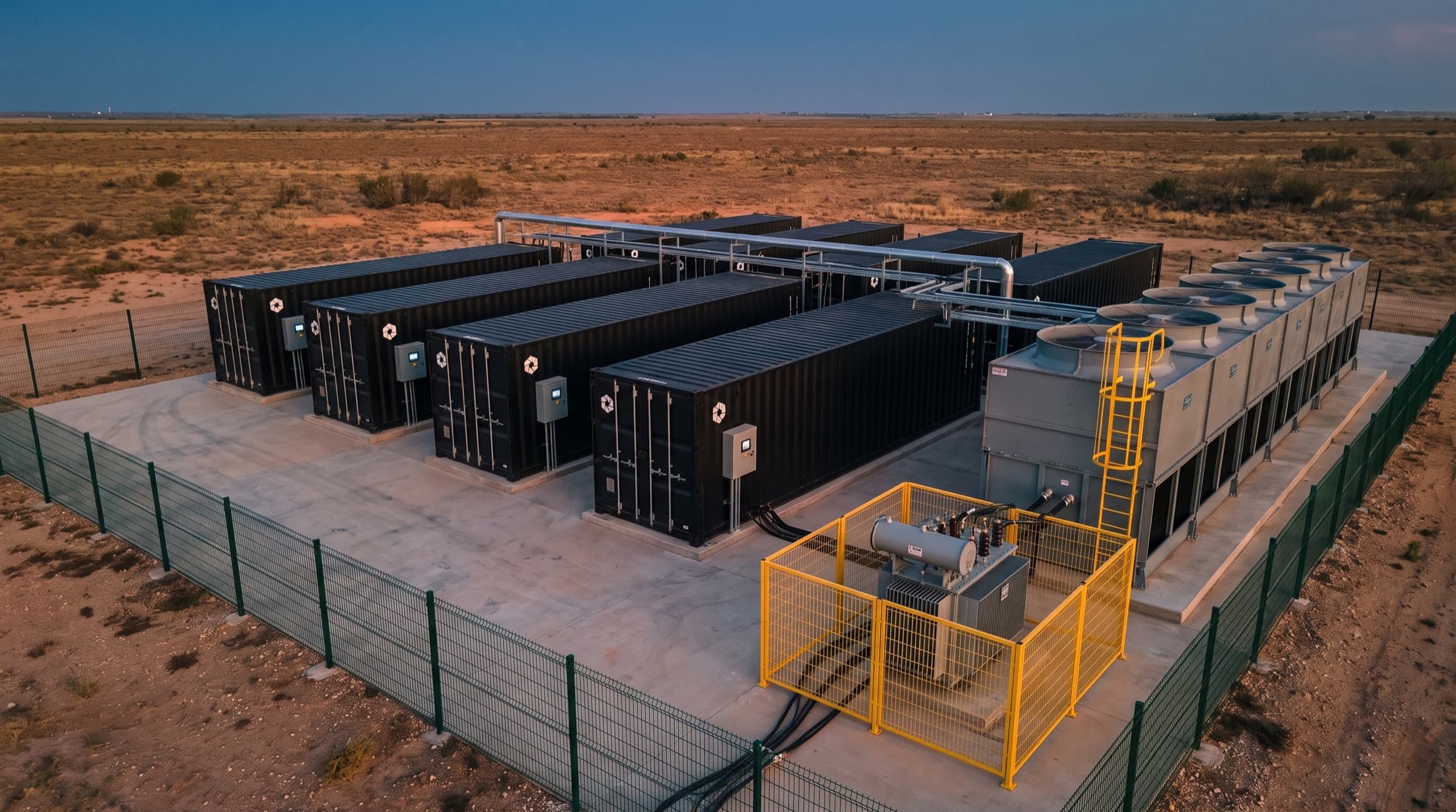
Modular data centers
Dense compute,
built in the factory.
Modules engineered for GPU workloads and delivered in 3 to 4 months, from a single edge module to a multi megawatt campus.
- Delivered in
- 3 to 4 months
- One platform
- Edge to campus
- Cooling, by GPU class
- Air or liquid
The reality
Your GPUs need power density, not a construction project
Halls designed for air cooled servers were not built for today's GPU racks, and a new building means a long construction project. A module designed for dense, liquid cooled compute skips the retrofit.
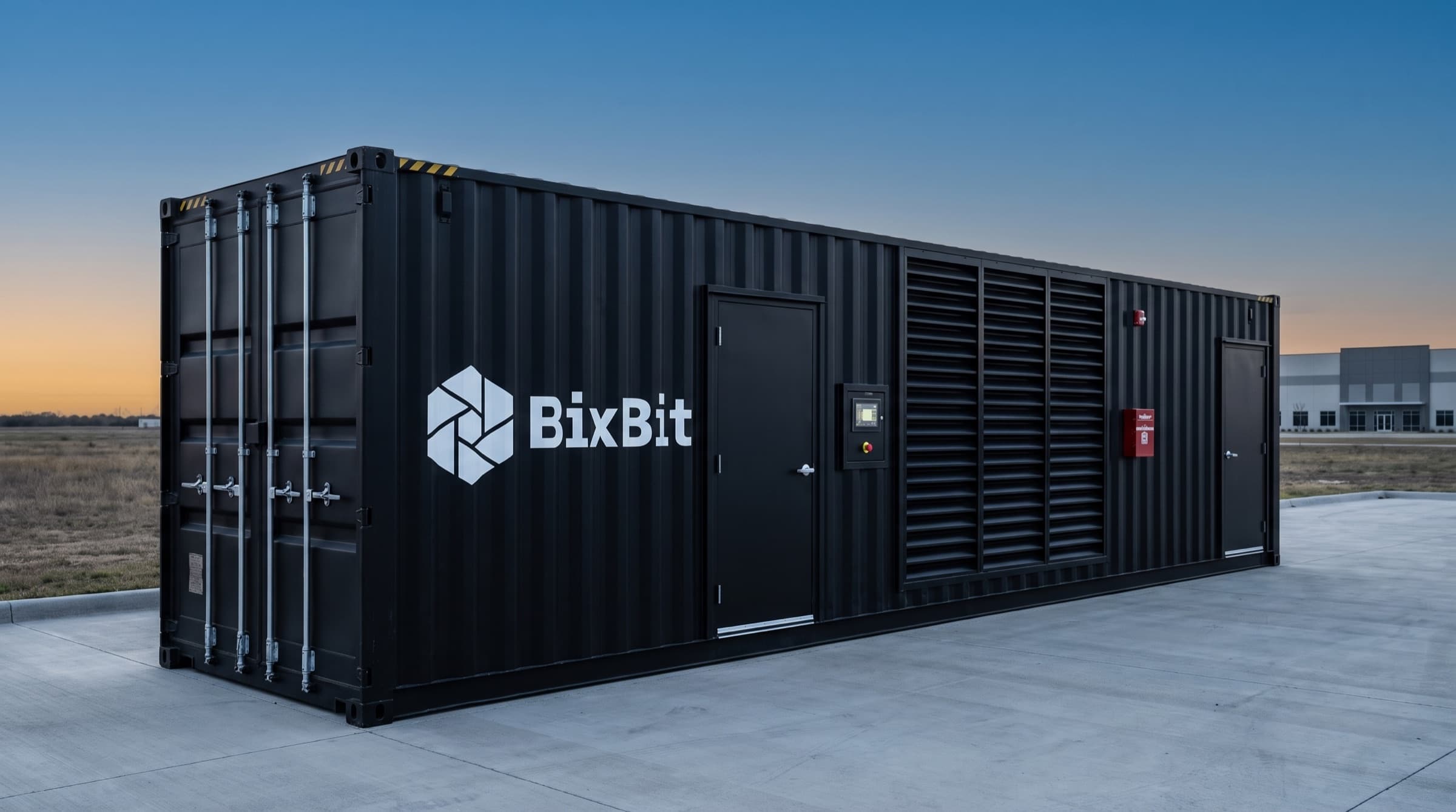
Why modular
What a factory built module changes
Capacity in 3 to 4 months
The module is built in the factory while site work proceeds, instead of one waiting on the other.
Density a legacy hall cannot cool
Cold plate liquid cooling handles the GPU racks that air cooled halls were never designed for.
One system, not a parts list
Power, cooling and monitoring arrive integrated in one unit instead of being assembled from parts on site.
Scale one block at a time
Start with a single edge module and grow on the same platform to a multi megawatt campus.
Runs on less overhead
Liquid cooling moves heat more efficiently than air, so more of the power you pay for reaches the GPUs.
See every circuit and rack
Circuit level power telemetry and sensors on every rack report into your monitoring systems.
Stop waiting on a building. Ship the data center instead.
One platform
From a single edge module to a campus
The same design scales by adding modules, so the first deployment is not a dead end.
Edge
Single module
A compact module for edge sites, inference and small clusters.
AI module
Liquid cooled
A module built around dense, liquid cooled GPU racks.
Block
Grouped modules
Modules grouped into a block with shared power distribution and redundancy.
Campus
Multi megawatt
Multiple blocks on one site, built out as demand grows.
Technical specifications
Built for GPU density
Standard container form factors, with power and cooling configured for the GPU class you deploy.
Power
- Input voltage
- 480 V, 3 phaseOther distribution voltages configured per deployment
- Distribution
- Busway with a tap off per rackSized to the IT load
- Redundancy
- N, N+1 or 2NConfigured per deployment
- UPS
- Online double conversionBattery chemistry selected per project
- Power monitoring
- Circuit level telemetryReports to standard building and DCIM systems
- Transfer switch
- Automatic transfer switchFor utility and generator sources
- Generator ready
- Generator connection provisionsGeneration available from BiXBiT USA
Cooling
- Cooling modality
- Air, hybrid direct liquid or full liquidSelected per GPU class
- Liquid cooling
- Coolant distribution unitsSized to the load, with redundant pumps on AI configurations
- Heat rejection
- Dry or adiabatic fluid coolersSelected for the site climate and water availability
- Air side
- Contained hot and cold aislesHandles the air cooled share of the load
- Thermal monitoring
- Sensors on every rackTemperature, flow, pressure and leak detection
- Cooling redundancy
- N, N+1 or 2NConfigured per deployment
Cooling by GPU class
- Edge, inference and enterprise
- Precision air with containment
- H100 and H200 class clusters
- Hybrid: direct to chip liquid plus air
- GB200 and GB300 NVL72 class
- Cold plate direct liquid cooling
Final cooling design depends on rack configuration, GPU generation and site conditions. NVIDIA and other third party names are trademarks of their owners.
Form factor and delivery
- 20 ft and 40 ft ISO container form factors
- Ships on a standard flatbed and sets on a prepared pad
- Racks, power, cooling and monitoring integrated in the factory
The process
From concept to capacity
- 01
Site and load review
We review your power availability, GPU class, redundancy level and site conditions.
- 02
Configuration and drawings
Our engineering team prepares the configuration, pricing and drawings for your load and site.
- 03
Factory build
Racks, cooling, power distribution and monitoring are integrated in the factory as one unit.
- 04
Delivery and startup
The module ships on a standard flatbed, connects to power and cooling, and is commissioned with our team.
Delivery time: 3 to 4 months

Standards and compliance
Built to standards that matter
- NEC
- National Electrical Code for all power distribution
- UL 2755
- Safety standard for modular data center equipment
- NFPA 75
- Fire protection for IT equipment
- IBC
- Structural design for seismic zones and wind loads
- ASHRAE TC9.9
- Thermal guidelines for data processing environments
Modules are designed to these standards. Certification scope is set per module at final engineering review, and third party certification is available on request.
Components
Established parts in every subsystem
Each subsystem is sourced from established OEM vendors.
- Electrical
- UPS, switchboards and power distribution from established OEMs
- Cooling
- CDUs, fluid coolers and air handling from established OEMs
- Monitoring
- Power and thermal telemetry with DCIM integration
- Racks and cabling
- Industry standard racks and structured cabling
- Delivered in
- 3 to 4 months
- One platform
- Edge to campus
- Cooling, by GPU class
- Air or liquid
- Redundancy
- N, N+1 or 2N
Questions
Common questions about modular data centers
How fast can a module be delivered?
Delivery takes 3 to 4 months. Site work proceeds while the module is built in the factory.
How big can a deployment get?
One platform runs from a single edge module to a multi megawatt campus, adding modules as your load grows.
What rack density do you support?
From standard enterprise racks to liquid cooled NVL72 class GPU racks. Tell us your GPU class and we size power and cooling to it.
What cooling options are there?
Air, hybrid direct liquid cooling or full liquid, selected for the GPU class you are deploying.
How efficient is it?
Liquid cooled AI configurations run with far less cooling overhead than air cooled halls. Design PUE is set per deployment and depends on the cooling mode and site climate.
What redundancy can I get?
N, N+1 or 2N for both power and cooling, configured per deployment.
What power does a module need?
480 V, 3 phase input, with other distribution voltages configured per deployment. We also supply the transformers, switchboards and generation that feed it.
Which standards are the modules designed to?
NEC, UL 2755, NFPA 75, IBC seismic and wind, and ASHRAE TC9.9. Certification scope is set per module at final engineering review.
How fast do I get a quote?
Submit your IT load, GPU class and site, and our engineering team comes back with a configuration and pricing.
What is the warranty?
12 to 24 months, with extended warranties available.
Configure your module
Tell us your IT load and GPU class, and we will come back with a configuration and pricing.