Our team is here to help you design, price, and deploy the right system.

Our team is here to help you design, price, and deploy the right system.
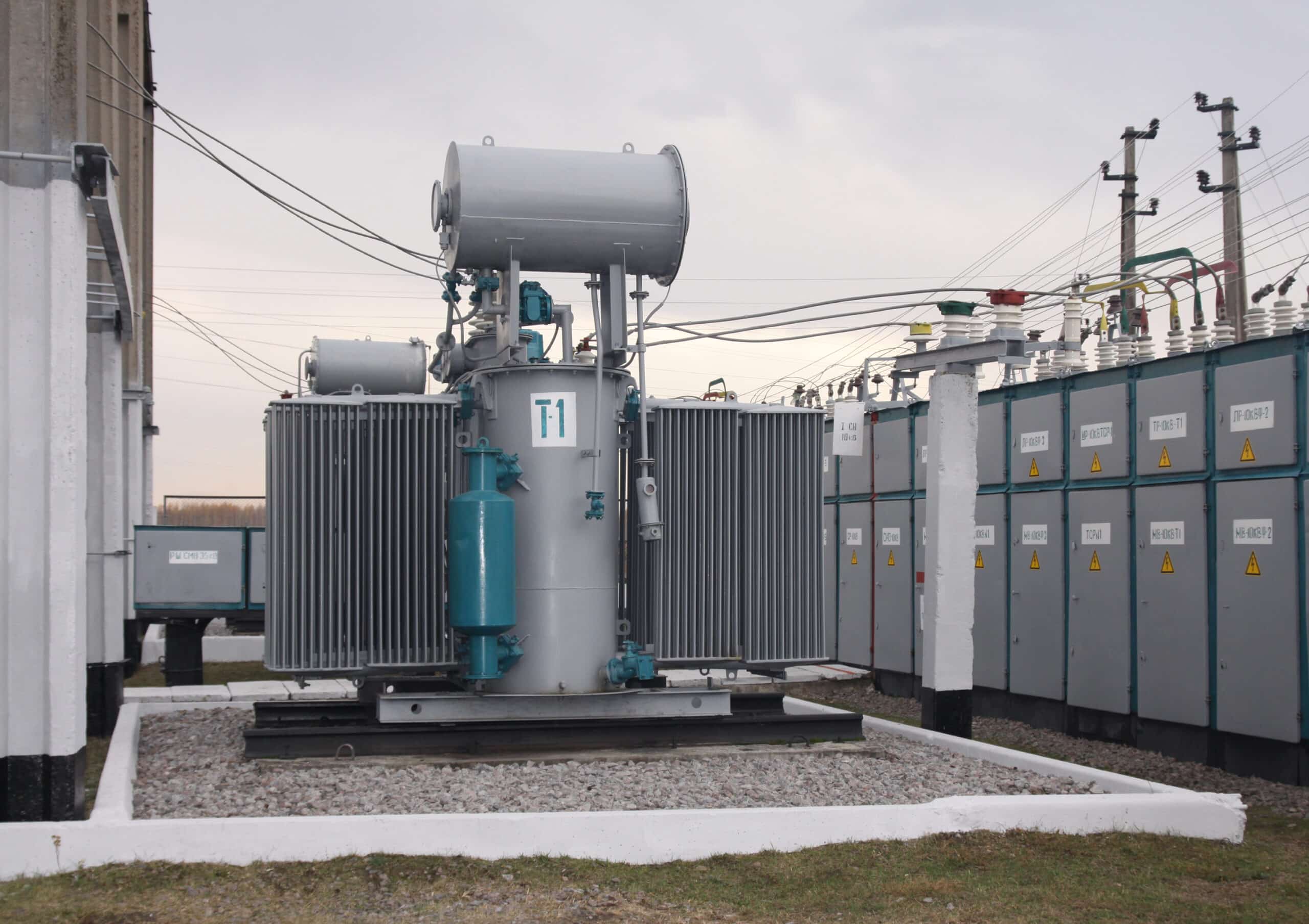
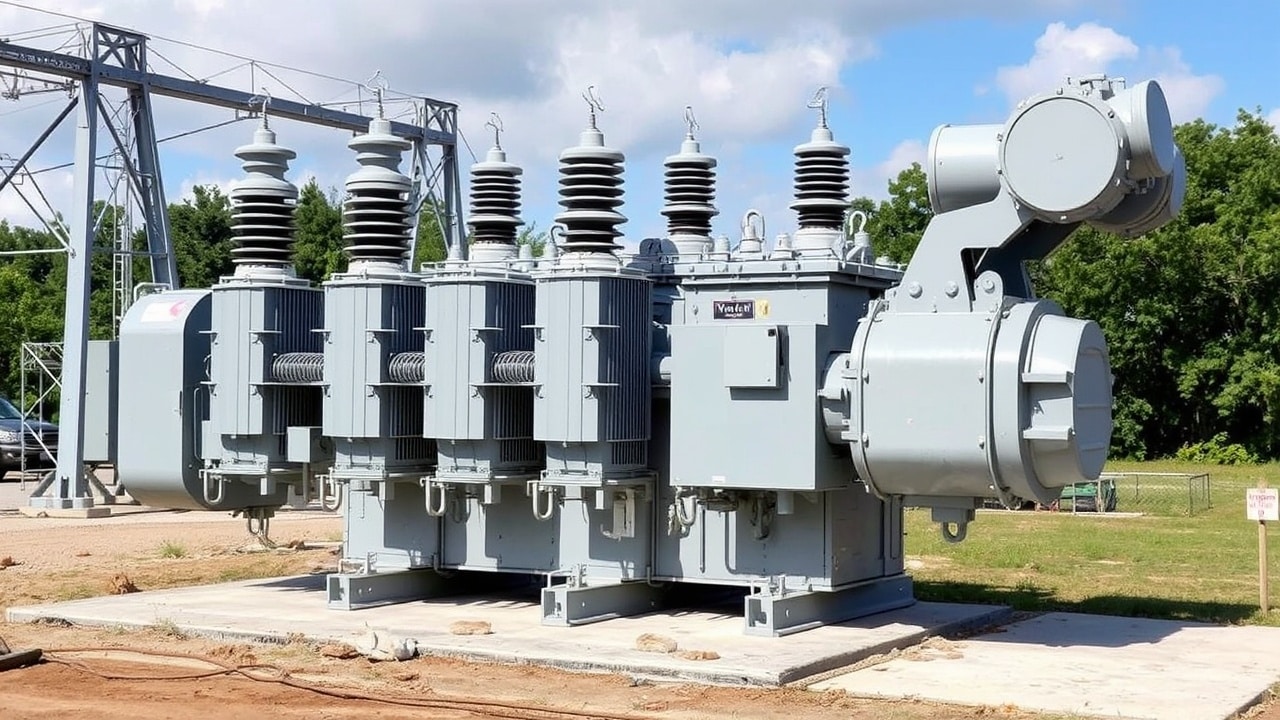
Utility-grade power substation transformers are essential components in electrical grids and industrial facilities, responsible for reliably managing power and ensuring efficient power distribution. These robust devices are engineered to meet stringent industry standards, providing dependable power solutions for a wide range of applications. From stepping down high voltage from transmission lines to distribution substation levels to providing temporary power during emergencies, these transformers play a crucial role in the reliable operation of electrical systems.
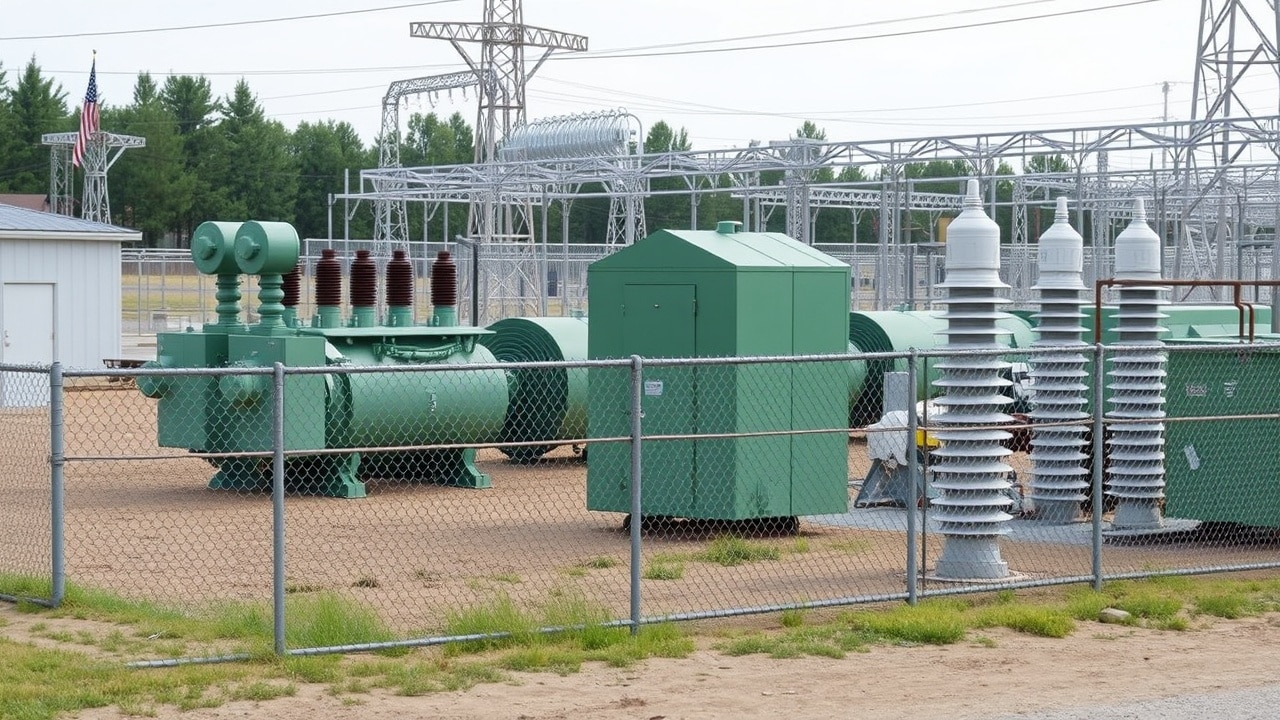
A substation transformer is a specialized power transformer designed to alter voltage levels within a power substation. These transformers, often three-phase units, are critical for stepping down high voltage from the grid for distribution to industrial facilities and residential areas. Substations are essential nodes in the power distribution network, and the substation transformer is the heart of the system, ensuring voltage is at the right level. The specifications and applications of a substation transformer are as wide ranging as the systems that they serve.
In the utility sector, transformers are indispensable for reliable power transmission and distribution. Power transformers facilitate the efficient transfer of electrical energy across long distances by stepping up voltage for transmission and stepping it down for local distribution. The reliability of these transformers is paramount, as any failure can lead to widespread power outages. Manufacturers like Eaton prioritize performance and reliability when designing these essential components, adhering to NEMA and IEEE standards to ensure dependable operation.
Power substation transformers are typically liquid-filled transformers, using mineral oil or filled with FR3 fluid for cooling and insulation. These transformers are available in a wide range of kVA three-phase ratings, from 1000 kVA to MVA capacities, and are designed for both indoor and outdoor installation. Power solutions may include customization of the transformer to meet specific operational needs, allowing engineers to customize specifications. Whether it is an oil-filled or dry type, a substation transformer provided by a reliable supplier is crucial for reliable operation.
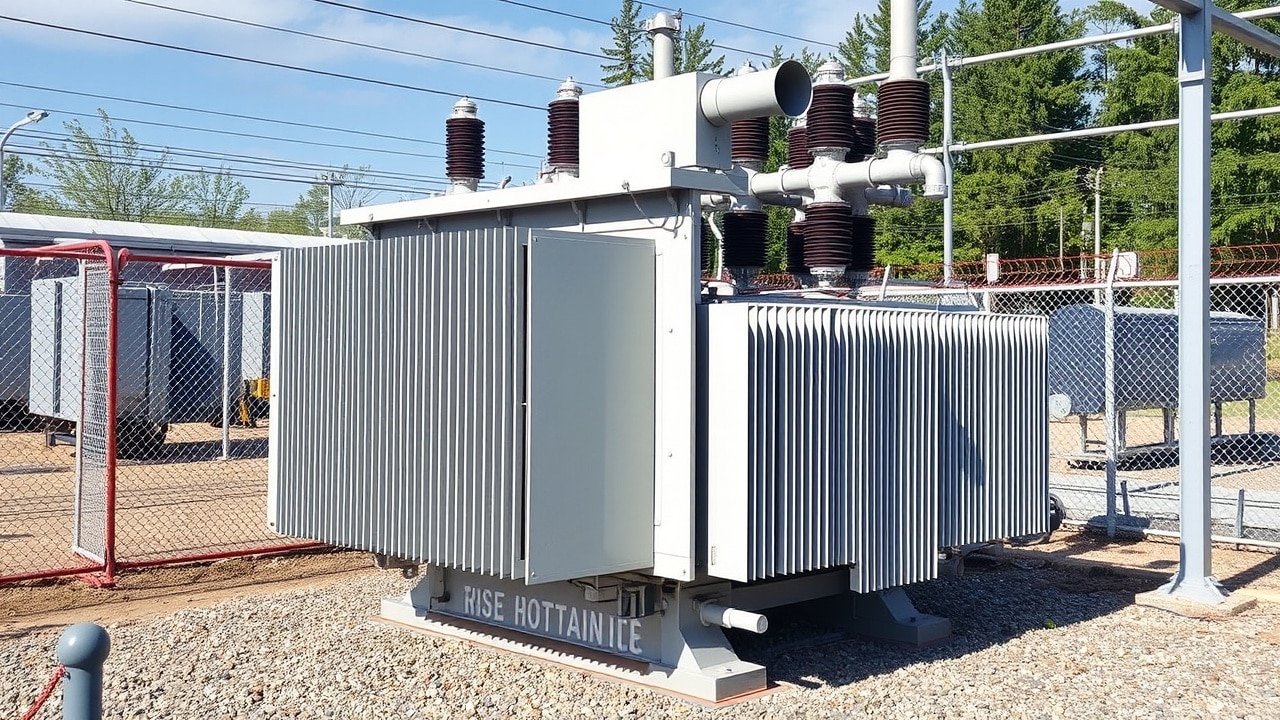
Understanding the MVA and KVA ratings is crucial when selecting a power transformer for a substation. MVA (Mega Volt-Amperes) and KVA (Kilo Volt-Amperes) represent the apparent power capacity of the transformer. These ratings dictate the transformer’s ability to manage power without overheating. Selecting the correct rating ensures reliability and optimal performance in power distribution systems, aligning with industry standards and preventing power outages.
Three-phase transformer configurations are commonly used in utility substations due to their efficiency and ability to handle high voltage levels. The three-phase setup ensures a balanced power distribution, reducing stress on the system and improving reliability. This configuration is essential for industrial facilities requiring a stable and consistent power supply, aligning with IEEE and ANSI standards for power transformer design.
A 1000 KVA transformer is a common size for industrial and commercial power needs. Typical specifications for a 1000 KVA transformer include its three-phase configuration, voltage ratios, and impedance. These power substation transformers are often liquid-filled or dry type, with features that meet IEEE, NEMA, and DOE standards to ensure performance and reliability and safe power supply.
Liquid-filled transformers are power transformers that use mineral oil or FR3 fluid for insulation and cooling. This type is commonly found in power substations due to its superior heat dissipation capabilities, which allow for handling high voltage and KVA three-phase loads. The design often adheres to industry standards and ensures dependable operation in demanding power distribution environments and industrial facilities.
The advantages of liquid-filled transformers include excellent insulation and cooling, leading to enhanced performance and reliability at higher KVA and MVA ratings. These power transformers can efficiently manage power, reducing the risk of overheating and extending the lifespan of the transformer. This makes them suitable for utility applications where consistent and reliable power distribution is critical and often used for indoor and outdoor installation.
Liquid-filled transformers and dry type transformers both play a crucial role in power distribution, though they employ different cooling strategies. Liquid-filled transformers, known for their enhanced cooling capabilities, utilize specific substances, such as:
This makes them particularly effective for high voltage and KVA three-phase applications. Dry type transformers, conversely, depend on air cooling. They are well-suited for indoor installation where environmental considerations are key, although their MVA ratings may be lower than those of liquid-filled models.
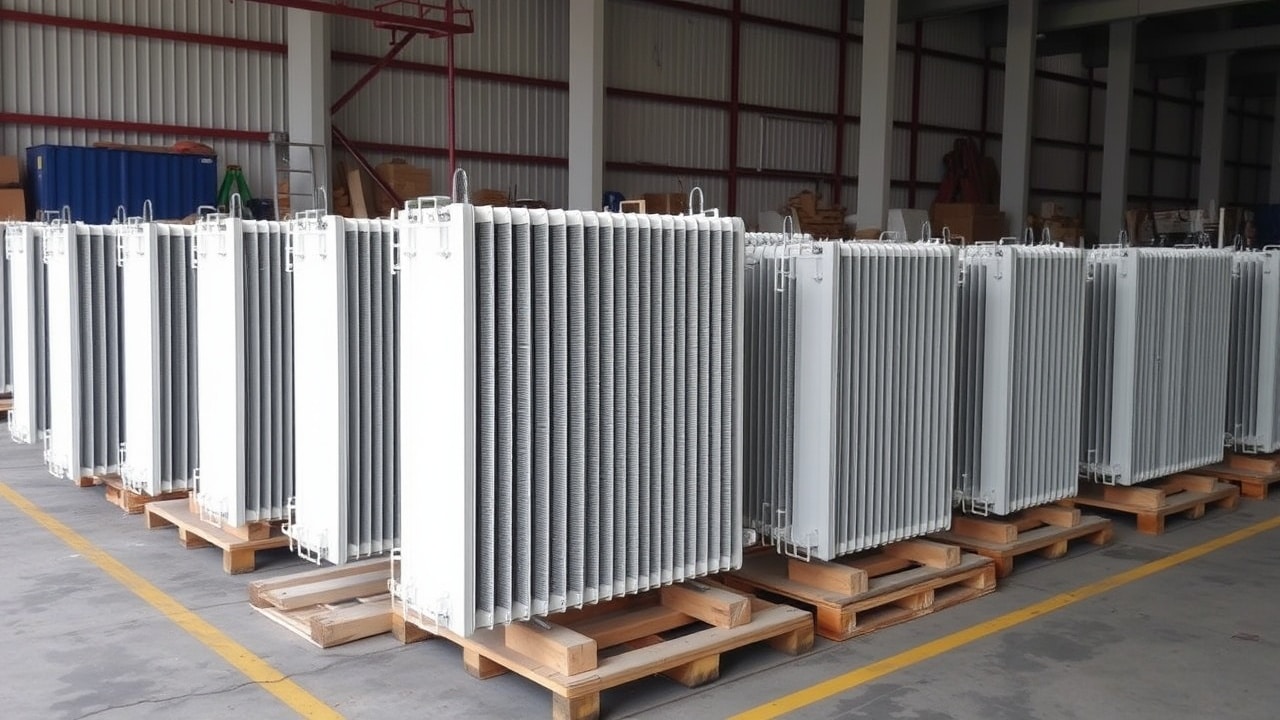
Here’s a breakdown of the substation transformer manufacturing process. It involves several key steps, beginning with:
Coil winding is then performed with precision to ensure optimal performance and reliability and proper voltage regulation. The assembly process integrates these components, preparing the transformer for rigorous testing, ensuring adherence to industry standards.
Quality control is paramount during the manufacture of power substation transformers. Each transformer undergoes comprehensive testing, including insulation tests, ratio tests, and impedance checks, adhering to ANSI, IEEE, and NEMA standards. These tests verify the transformer’s ability to manage power safely and efficiently. Eaton and other reputable suppliers implement stringent quality control measures to guarantee dependable operation and long reliability.
Utility transformers often require customization to meet specific operational needs. This customization can involve several aspects, including:
Engineers can customize these power solutions for indoor and outdoor use, accommodating unique site requirements. Whether it is an oil-filled or dry type transformer, customization ensures optimal integration with existing power distribution infrastructure, enabling reliable power delivery.
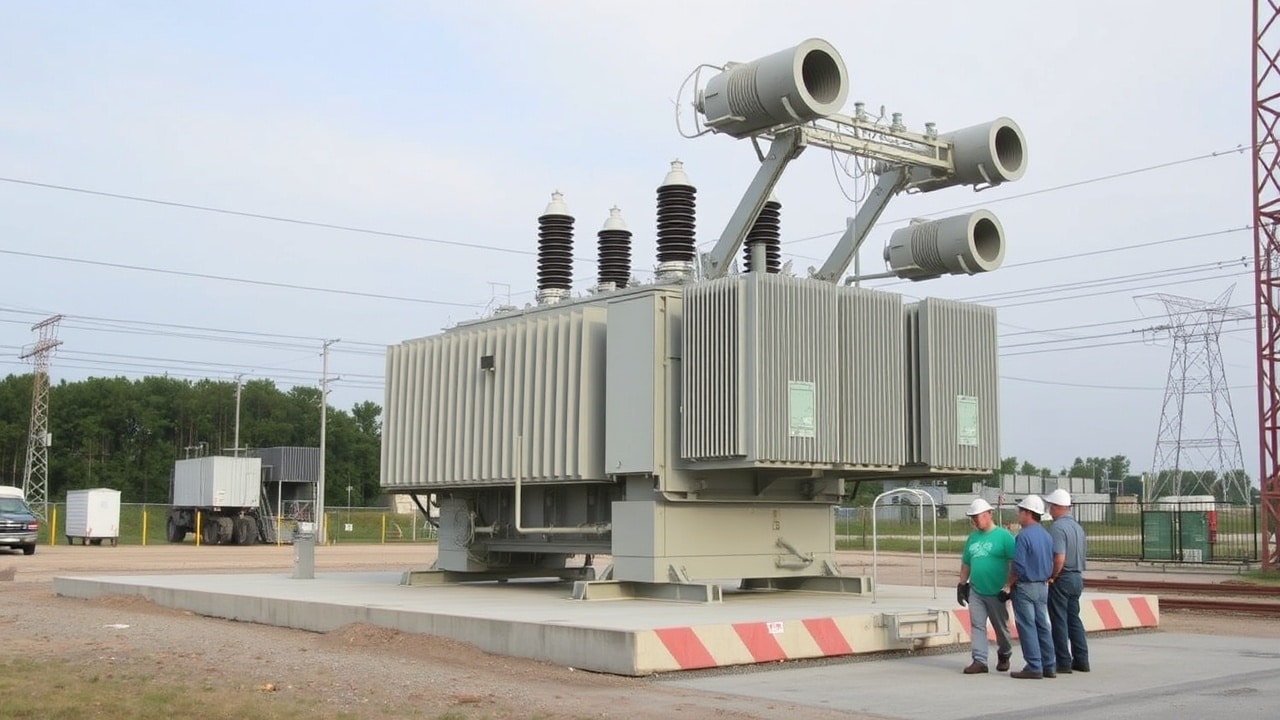
Proper installation is crucial for ensuring the performance and reliability of power transformers. Key steps include site preparation, careful handling of the transformer, and secure mounting. Adhering to industry standards and guidelines for installation is essential. For liquid-filled transformers, proper oil handling and filling procedures must be followed. Correct installation minimizes the risk of damage and ensures long-term reliable power operation, keeping downtime to a minimum.
Routine maintenance is essential for the reliability and longevity of power transformers. Regular inspections should include checks for leaks, corrosion, and abnormal sounds. Liquid-filled transformers require periodic oil sampling and analysis to assess insulation integrity. Monitoring voltage and load levels helps prevent overloading and overheating. Adhering to NEMA and IEEE guidelines ensures dependable operation and reduces the risk of unexpected failures in industrial facilities.
Ensuring reliability in operations requires a proactive approach to transformer management. Implement regular maintenance schedules, conduct thorough inspections, and promptly address any issues. Monitor transformer performance metrics, such as temperature and load, to identify potential problems early. Utilizing transformer technology to monitor performance and reliability helps to guarantee that power distribution in critical infrastructure remains dependable, minimizing downtime and ensuring reliable power.