This guide explains what a 3-phase padmount transformer is, where and how to use it, and best practices for installation, safety, and maintenance. It’s designed for electrical contractors, facility managers, and utility crews evaluating padmount transformers for commercial and distribution applications.
What Is a 3-Phase Padmount Transformer?
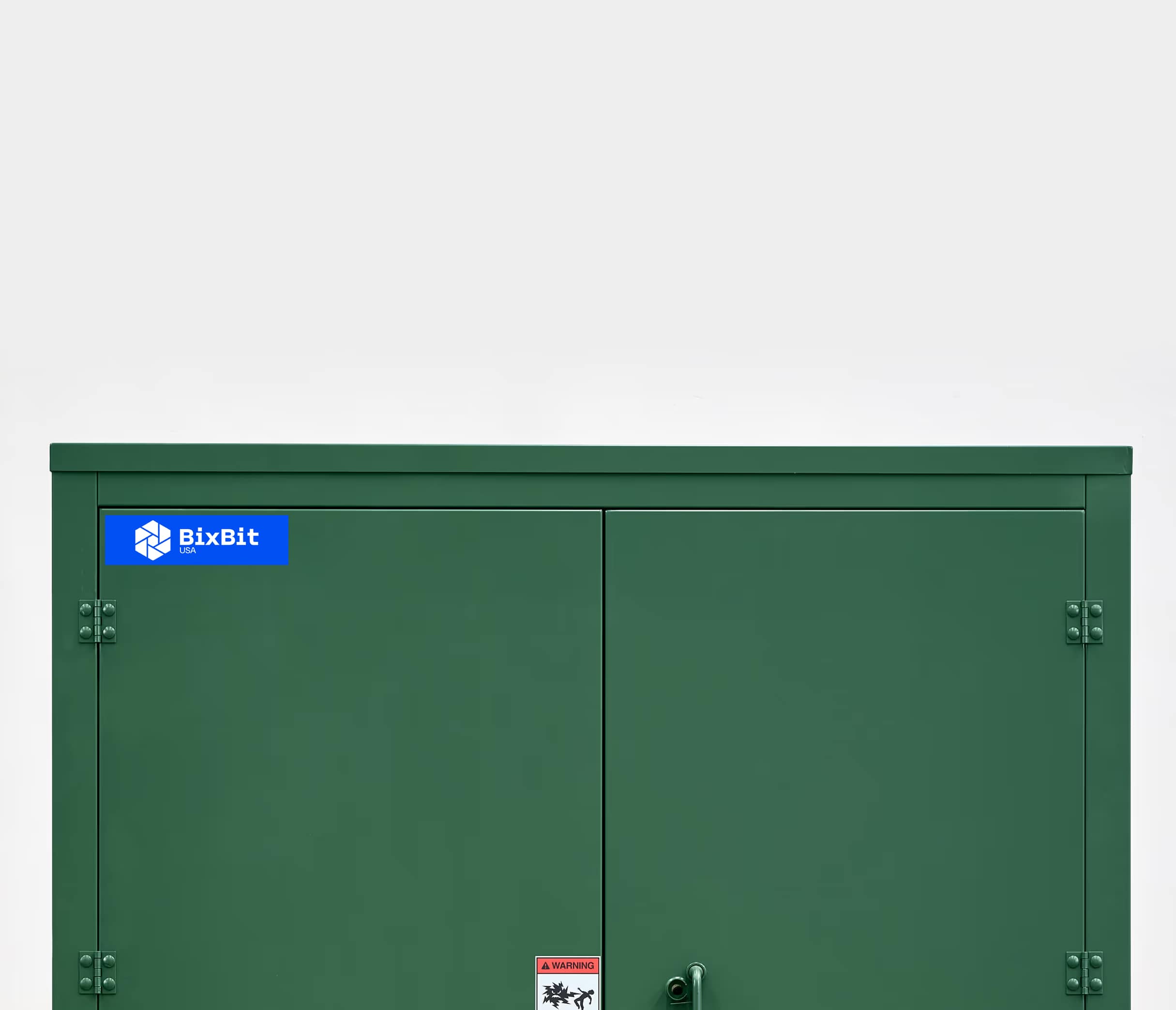
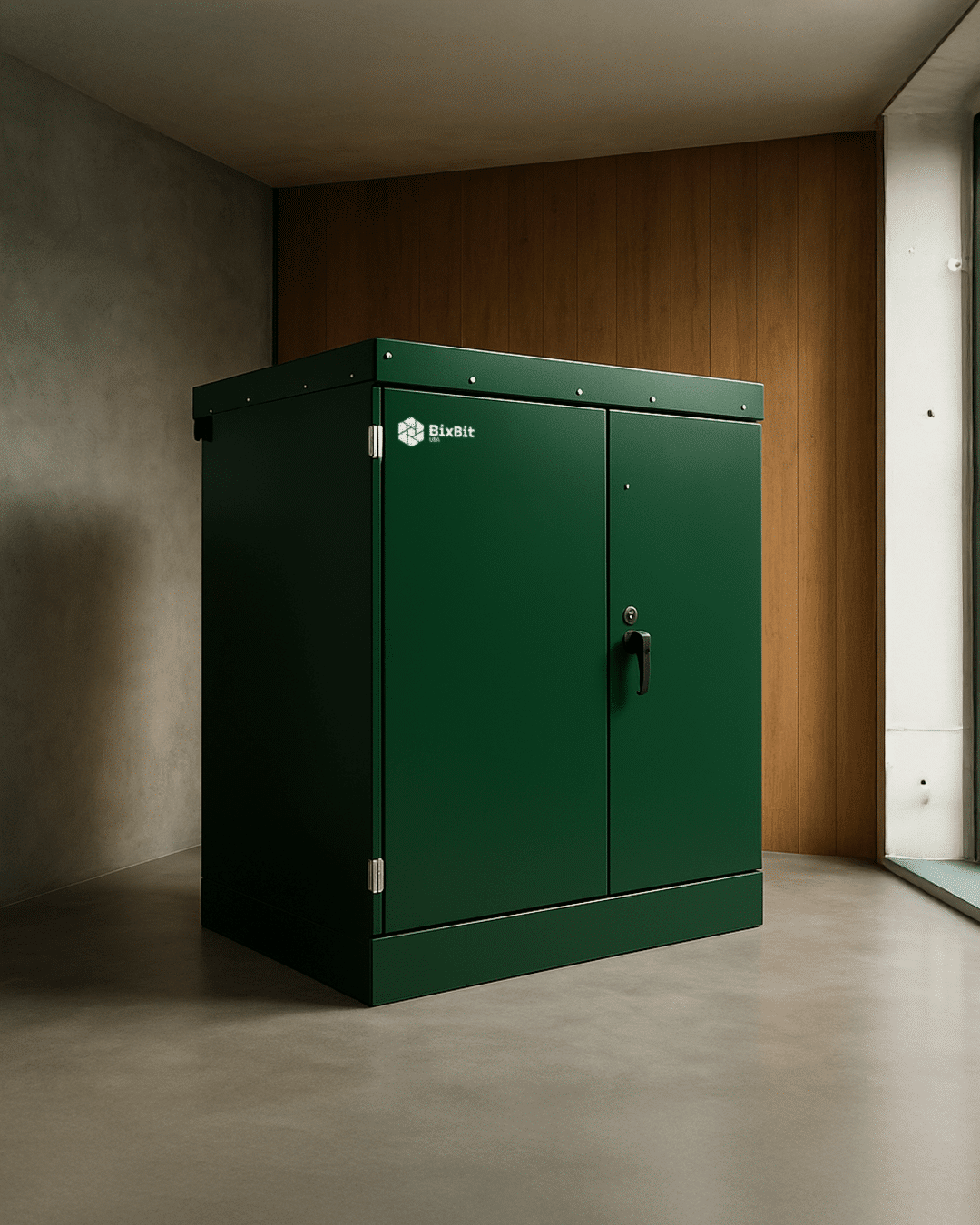
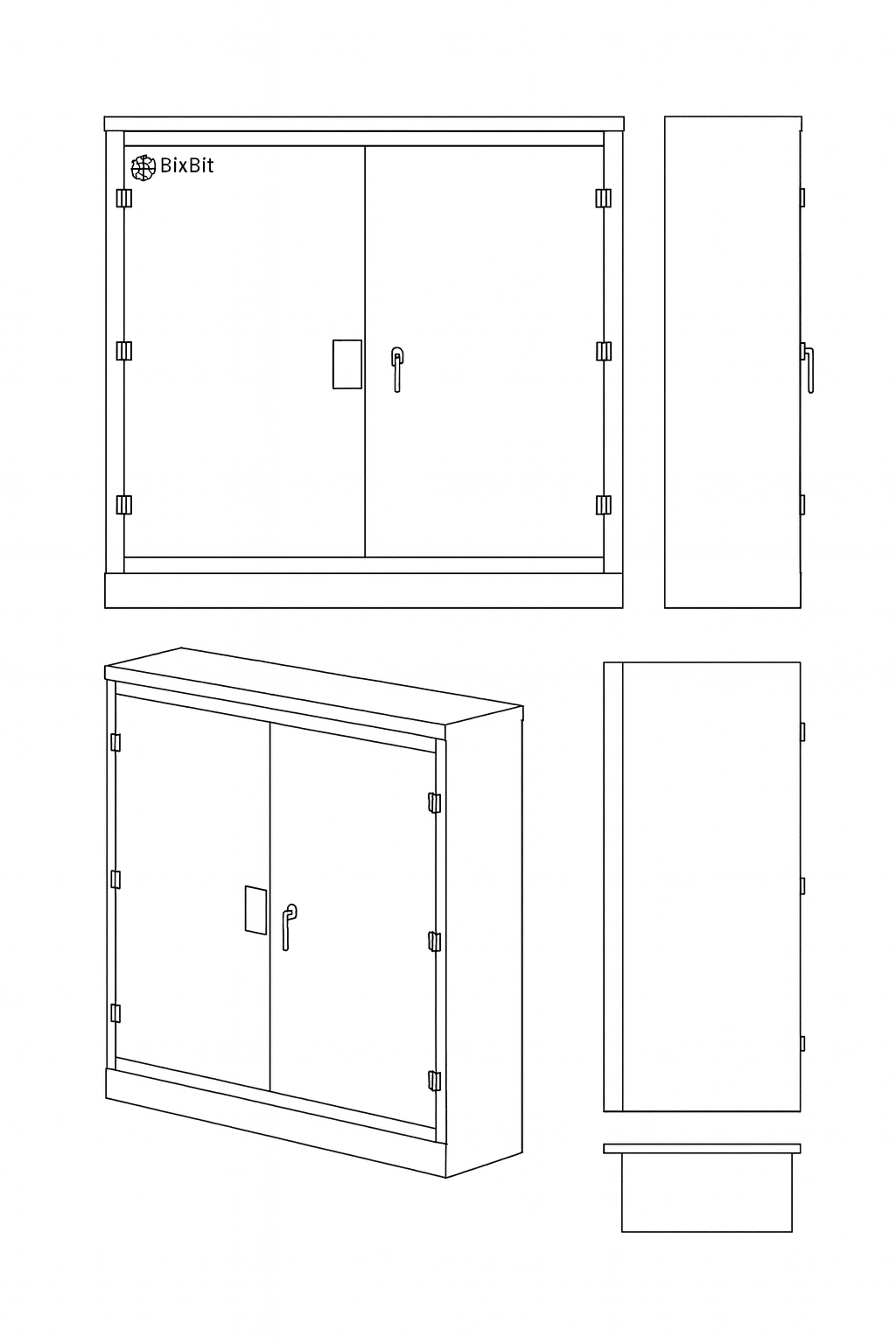
A 3-phase padmount transformer is an outdoor, ground-mounted transformer enclosed in a tamper-resistant, metal cabinet. It converts medium-voltage distribution power to low-voltage service for commercial buildings, apartment complexes, industrial sites, and neighborhood distribution. Padmount transformers are rated by kVA and voltage configuration and are engineered for safe, reliable service on a concrete pad.
Key Benefits
- Compact, weatherproof design suited for urban and suburban sites
- High reliability for continuous loads and distribution networks
- Tamper-resistant housings improve safety and reduce vandalism risk
- Multiple primary/secondary configurations to match utility standards
- Low maintenance with long service life when properly cared for
Common Applications
- Commercial shopping centers and office parks
- Residential subdivisions and multi-family complexes
- Industrial facilities and outdoor equipment yards
- Renewable energy tie-ins and microgrid nodes
- Temporary power for construction and events (when installed per local code)
Selecting the Right 3-Phase Padmount Transformer
Consider these factors when choosing a padmount transformer:
- Load kVA and expected future expansion
- Primary and secondary voltage: match utility distribution and customer requirements
- Impedance and short-circuit ratings for coordination with protection devices
- Cooling class (AN, AU) and ambient temperature limits
- Enclosure features: dead-front vs live-front, security options, paint/coating for corrosion resistance
- Standards compliance: ANSI, IEEE, and local electrical codes
Installation Best Practices
Follow these steps to ensure a safe, code-compliant installation:
- Site preparation: level concrete pad with adequate drainage and space for access
- Grounding: connect transformer tank and neutral to the site grounding grid per NEC and utility requirements
- Clearances: maintain required working clearances for primary and secondary compartments
- Primary connections: coordinate with utility for switching/energization; verify fusing and protection
- Secondary connections and metering: plan for cable routing, conduit, and meter sockets as needed
- Environmental considerations: provide barriers or landscaping for vandal protection without restricting ventilation
Operation and Safety
Operational safety of a 3-phase padmount transformer depends on training, procedures, and appropriate PPE:
- Only qualified personnel should perform inspections, testing, or switching
- De-energize and lock out/tag out before accessing internal compartments
- Wear arc-rated PPE and use insulated tools when working near live parts
- Follow utility switching orders and coordinate planned outages
- Perform routine oil sampling (if oil-filled) and visual inspections for leaks, corrosion, or damage
Maintenance Checklist
Routine maintenance keeps padmount transformers reliable and extends service life:
- Visual inspection quarterly: cabinet seals, paint, vents, nameplates, and security hardware
- Check for oil leaks and monitor oil level (for liquid-filled units); sample oil annually for dielectric and dissolved gas analysis
- Test bushings, gaskets, and grounding connections during scheduled outages
- Verify secondary and primary fuse condition and replace as required
- Maintain access paths and vegetation control to prevent equipment damage
Troubleshooting Common Issues
- Transformer humming: usually normal magnetostriction, but excessive noise can indicate loose parts or core issues
- Overheating: check load, ventilation, and cooling class; investigate oil temperature and contact resistance
- Oil leaks: address seals and gaskets promptly; sample oil to assess contamination
- Frequent fuse blowing or protection operations: review coordination, fault levels, and transformer impedance
Procurement and Custom Options
When purchasing a 3-phase padmount transformer, consider these optional features to match project needs:
- Corrosion-resistant coatings and stainless hardware for coastal environments
- Remote monitoring and temperature sensors for condition-based maintenance
- Special voltage taps and delta/wye configurations for unusual systems
- Enhanced security options: padlocks, alarms, and tamper-evident fasteners
Conclusion
A well-specified and properly installed 3-phase padmount transformer delivers durable, efficient service for distribution and commercial power needs. Prioritize correct sizing, compliance with utility and local codes, and regular maintenance to maximize uptime and safety.
For help selecting the right 3-phase padmount transformer for your project, contact our technical sales team to discuss ratings, lead times, and customization options.