Your concise resource for choosing, installing, and maintaining industrial-grade switchboards for reliable power distribution.
What Are Industrial-Grade Switchboards?
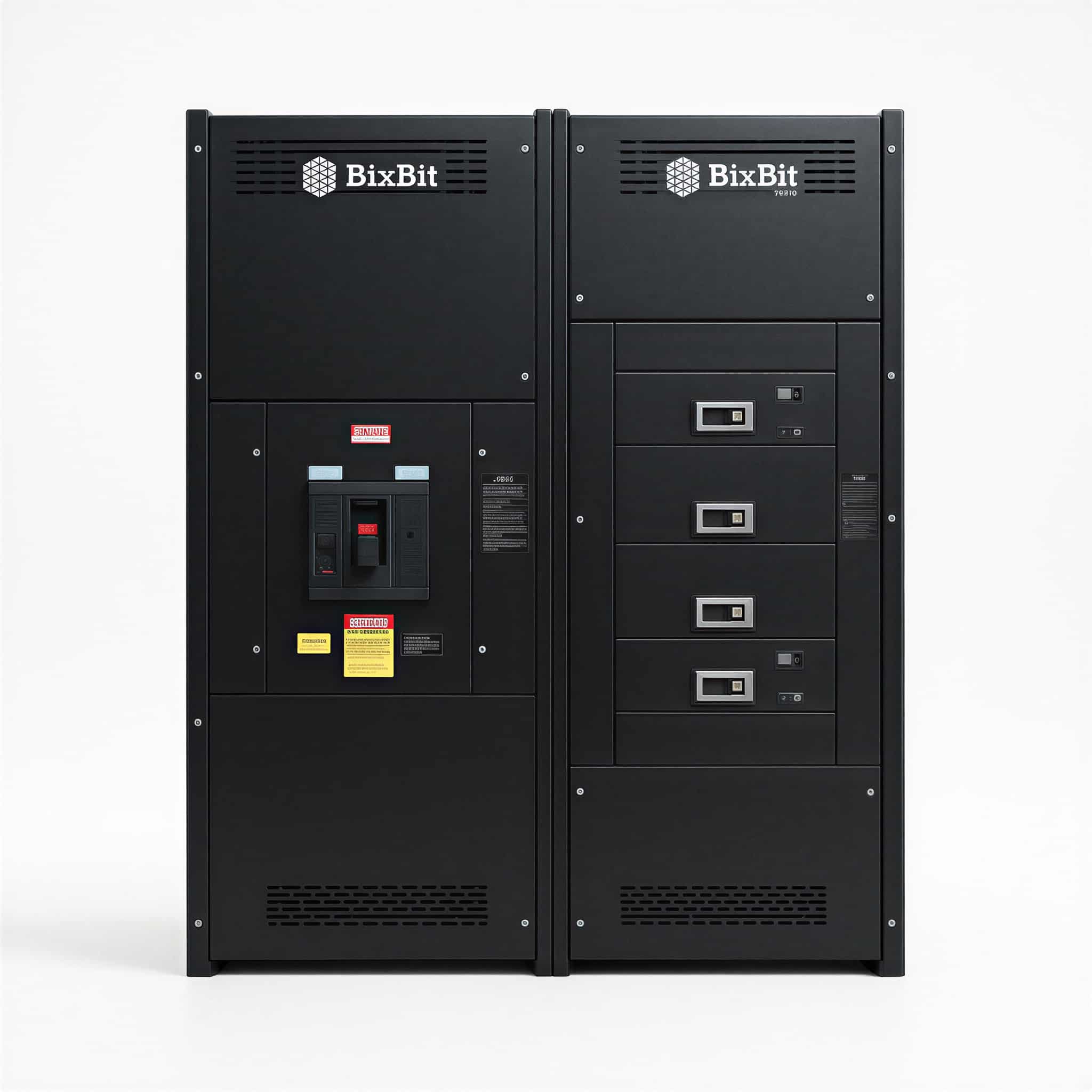
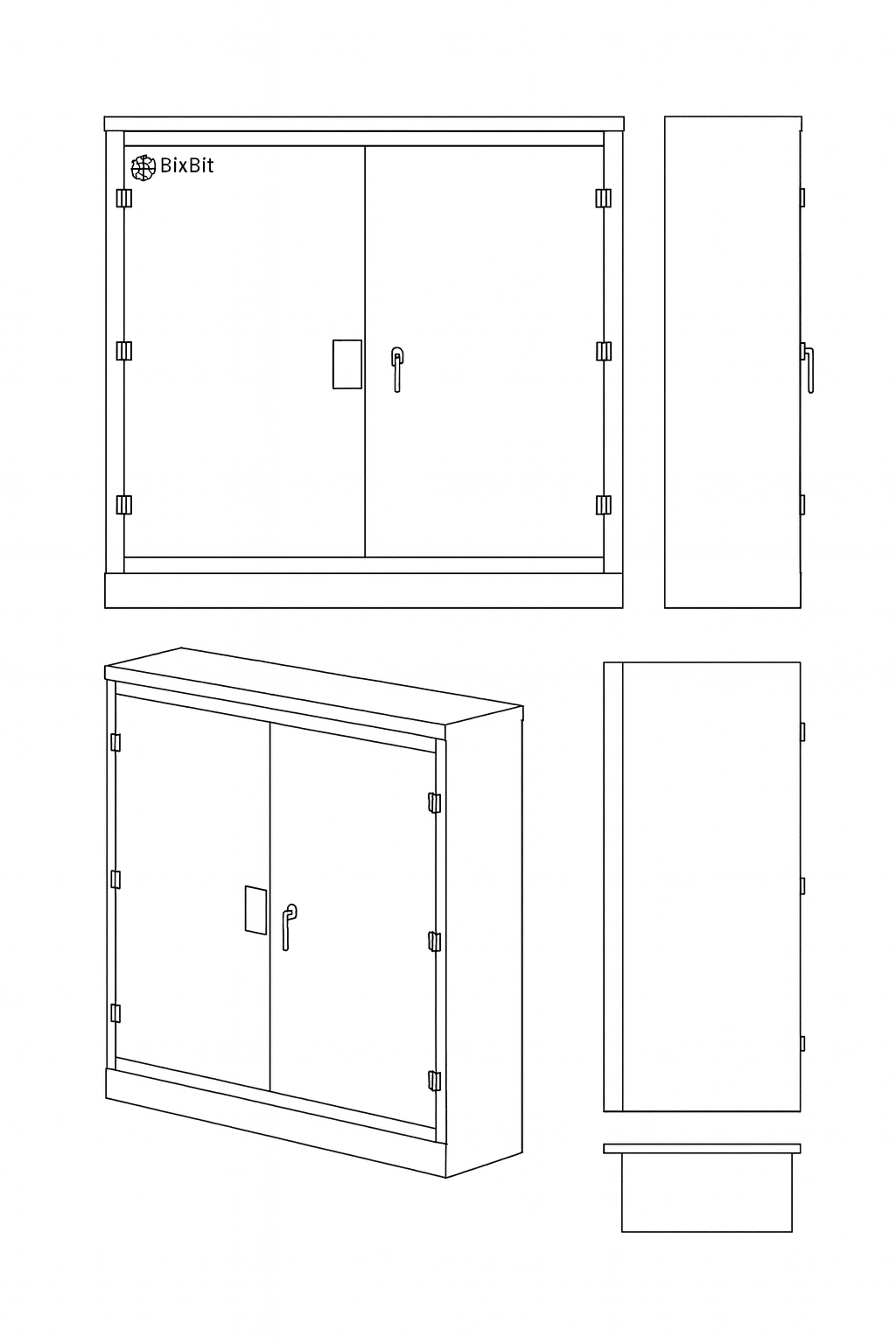
Industrial-grade switchboards are robust, centralized electrical panels designed to distribute power, protect circuits, and control electrical systems in heavy-duty environments such as manufacturing plants, data centers, oil & gas facilities, and large commercial buildings. They combine incoming power sources, protective devices (breakers, fuses), metering, and switching components into engineered assemblies rated for high current and harsh conditions.
Key Features & Specifications
- Current rating: Commonly from 400 A to 6000 A or higher depending on application.
- Voltage classes: Low-voltage (up to 1000 V) most typical for industrial sites; medium-voltage switchgear used where needed.
- Short-circuit withstand: Designed to meet specified fault levels (kA RMS) with proper bus bracing and protective devices.
- Enclosure types: NEMA/IEC ratings (e.g., NEMA 1, 3R, 12, 4X) to match environmental exposure.
- Protection devices: Molded-case circuit breakers, air circuit breakers, MCCBs, fuses, and protective relays.
- Controls & metering: Integrated SCADA/PLC interfaces, digital meters, energy monitoring, and remote communication options.
- Redundancy: Options for dual feeds, automatic transfer switches (ATS), and bus sectionalizing to ensure uptime.
Types of Industrial-Grade Switchboards
- Main Switchboards (MSB): Central distribution point for a facility; handles primary incoming power and feeders.
- Distribution Switchboards: Feed smaller risers, subpanels, or critical loads.
- Motor Control Centers (MCC): Specialized for motor feeders with starters, soft starters, or VFDs integration.
- Switchgear Assemblies: Higher-voltage and fault-level-rated assemblies with advanced protection relays.
Design Considerations
Proper design of industrial-grade switchboards balances safety, reliability, capacity, and maintainability. Key considerations include:
- Load analysis: Determine present and future load growth, starting currents for motors, harmonic content, and duty cycle.
- Short-circuit calculations: Verify bus ratings and fault interruption devices to meet site fault levels.
- Coordination & selectivity: Time-current coordination to minimize outage impact during faults.
- Thermal management: Ventilation, forced cooling, or heaters for environments outside normal temperature ranges.
- Physical layout: Accessibility for maintenance, segregation of high-voltage and low-voltage sections, and cable entry/exit planning.
- Standards & codes: Compliance with local electrical codes, NFPA 70, IEC 61439, IEEE, and safety standards.
Installation & Commissioning Best Practices
- Site preparation: Ensure proper foundations, clearances, and non-combustible mounting surfaces.
- Cable management: Use labeled ducts, glands, and routing paths to minimize heat and simplify servicing.
- Grounding & bonding: Implement low-impedance grounding per code and equipotential bonding for safety.
- Functional testing: Perform insulation resistance, polarization, trip testing, and protection relay setpoint verification.
- Documentation: Provide as-built drawings, wiring diagrams, O&M manuals, and spare parts lists.
Maintenance & Safety
Regular maintenance extends life and reduces downtime for industrial-grade switchboards. Typical practices:
- Visual inspections: Check for corrosion, loose hardware, discoloration, and enclosure integrity every 3–12 months.
- Thermographic scanning: Identify hot spots due to loose connections or overloaded circuits.
- Torque inspections: Retorque busbars and connections per manufacturer intervals.
- Cleaning: Remove dust, debris, and moisture; ensure ventilation openings are unobstructed.
- Protective device testing: Test breakers and relays periodically to confirm operation.
- Arc flash assessment: Maintain updated arc flash studies and appropriate PPE for personnel.
Benefits of Industrial-Grade Switchboards
- Reliability: Engineered for continuous industrial operation and high fault capacities.
- Scalability: Modular designs allow future expansion without full replacement.
- Safety: Built-in protection, separation, and interlocks reduce risk to personnel and equipment.
- Efficiency: Integration with energy monitoring and control systems improves operations and reduces waste.
Buying Guide
When evaluating suppliers and models, consider:
- Reputation & certifications: Manufacturers with third-party testing and compliance to IEC/NEMA/UL standards.
- Customization: Ability to deliver engineered solutions for specific environmental or process requirements.
- Service & support: Local service networks, spare parts availability, and training offerings.
- Total cost of ownership: Include installation, maintenance, downtime risk, and energy management benefits, not just purchase price.
Quick checklist before purchase
- Confirmed load calculations and fault studies
- Specified enclosure rating and environmental protections
- Required communication protocols (Modbus, Ethernet/IP, Profibus)
- Spare capacity and future expansion plan
Common Applications
Industrial-grade switchboards are used across sectors where dependable power control is critical:
- Manufacturing and process plants
- Data centers and critical IT facilities
- Water/wastewater treatment plants
- Mining and mineral processing
- Oil & gas production and refineries
- Large commercial complexes and hospitals
Frequently Asked Questions
What is the difference between a switchboard and a panelboard?
Switchboards are typically larger, central distribution assemblies rated for higher currents and fault levels, offering more robust bus systems and segregation. Panelboards are smaller branch distribution units fed from switchboards or transformers.
How often should switchboards be inspected?
Visual and electrical inspections are recommended at least annually; critical systems may require quarterly checks and thermal scans as part of preventive maintenance.
Can switchboards be retrofitted with modern controls?
Yes. Many industrial-grade switchboards can be retrofitted with digital metering, protective relays, and communication modules to integrate with modern building or plant management systems.
Conclusion & Next Steps
Choosing the right industrial-grade switchboard requires careful assessment of load demands, fault levels, environmental conditions, and future growth. Work with qualified electrical engineers and trusted manufacturers to specify systems that meet safety codes, operational needs, and maintenance capabilities.