Our team is here to help you design, price, and deploy the right system.

Our team is here to help you design, price, and deploy the right system.
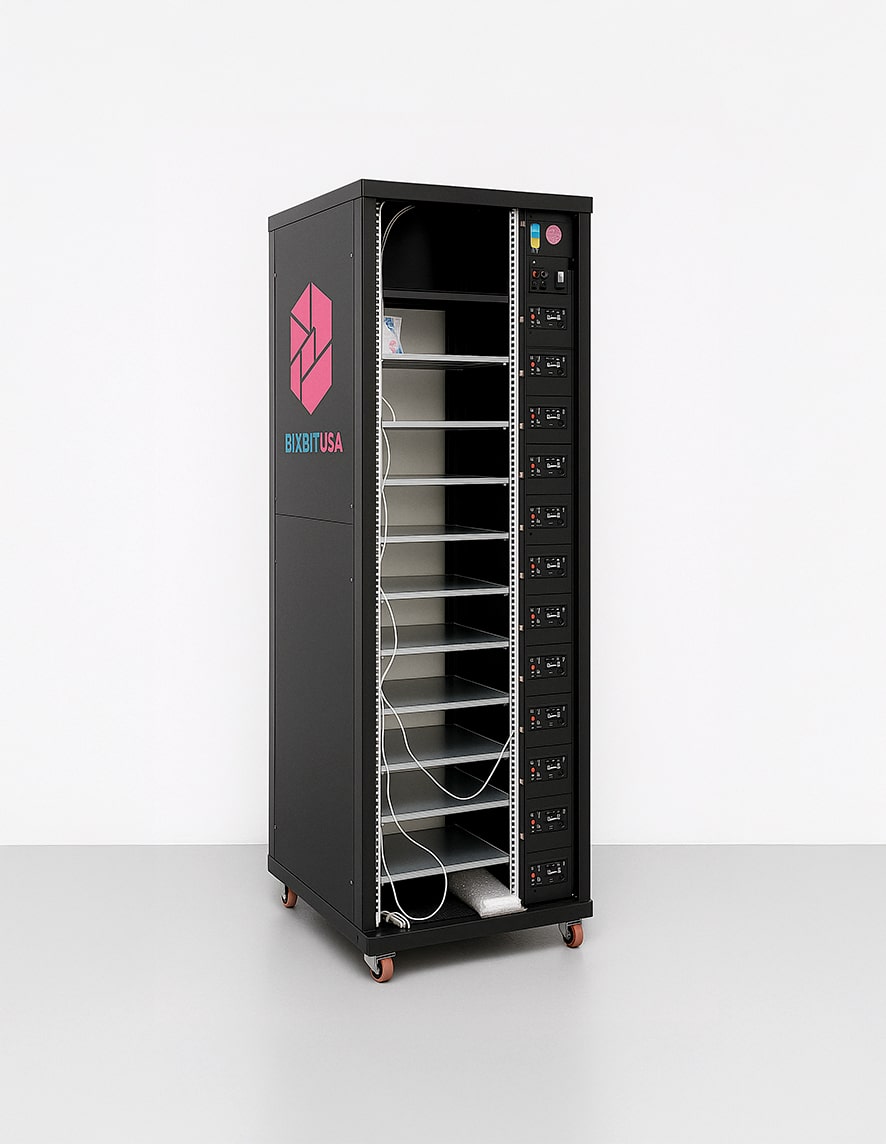
Air cooling hits a wall. As mining hardware gets denser and more powerful, fans and AC units struggle to keep pace—eating into margins with energy costs and forcing you to spread equipment across more floor space than you’d like.
Hydro-cooled mining racks take a different approach. Instead of pushing hot air around, liquid coolant captures heat directly at the source—GPUs, ASICs, power supplies—and carries it away through a closed-loop system. The result: cooler components, tighter deployments, and lower operating costs.
The physics are straightforward. Water transfers heat roughly 25 times more efficiently than air. That efficiency gap translates into real operational advantages:
Run hardware harder, longer. Lower, more stable temperatures mean you can push components closer to their limits without throttling. More consistent thermal conditions also reduce the stress that causes premature failures.
Pack more power into less space. When cooling isn’t the bottleneck, you can stack hardware more densely. Higher hash rates per square foot means better returns on your facility investment.
Cut auxiliary power consumption. High-velocity fans and oversized chillers disappear from the equation. That’s energy you’re not paying for—and heat you’re not generating just to remove other heat.
Create a workable environment. Hydro racks run quiet. For edge deployments or facilities where people need to work, that’s not a minor detail.
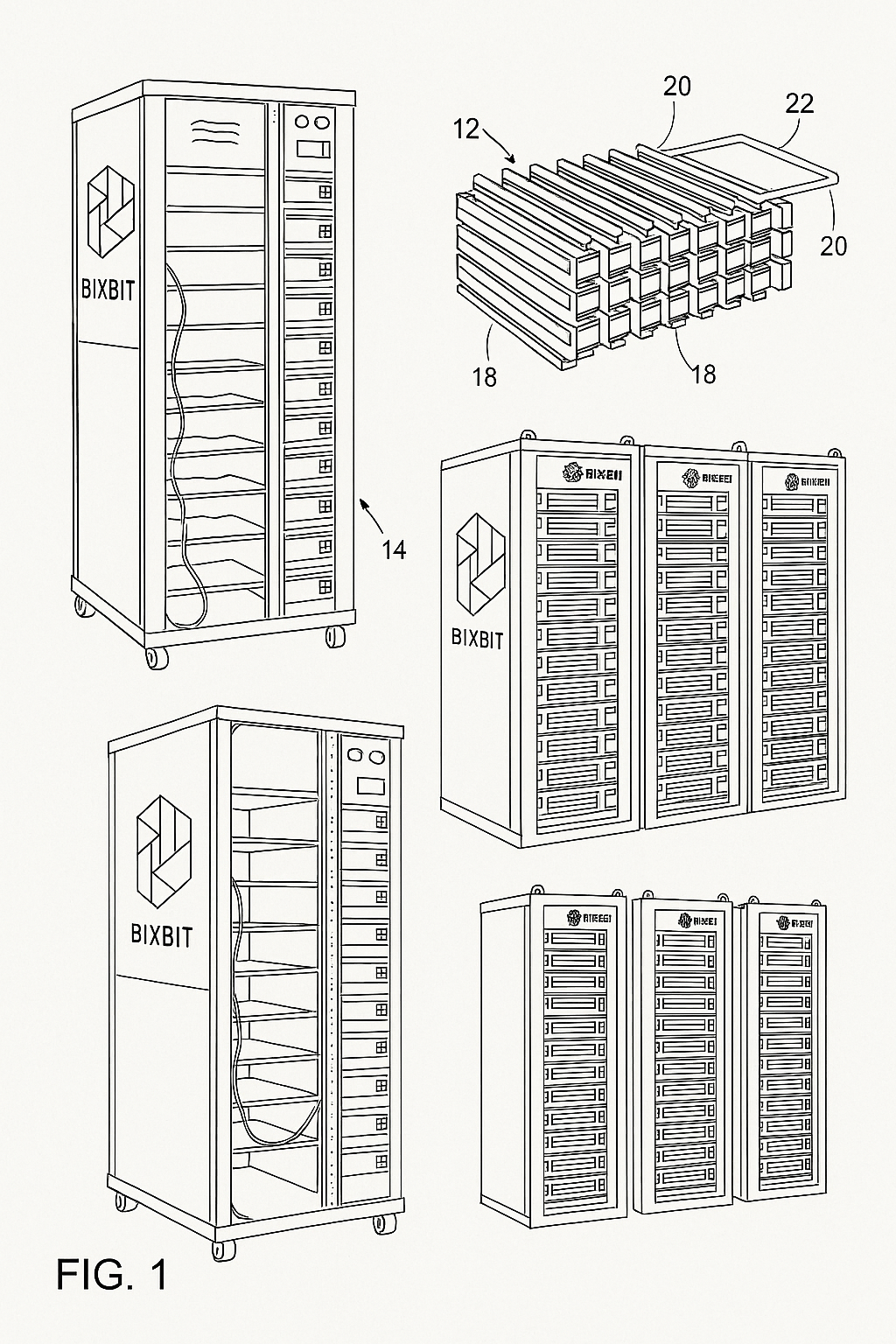
Our racks aren’t repurposed server cooling. They’re designed around mining’s specific demands: sustained full-load operation, 24/7 uptime requirements, and the economic pressure to maximize every watt.
That means precision-machined cold plates sized for mining hardware, leak-detection sensors that catch problems before they become disasters, redundant pump options for critical deployments, and quick-disconnect fittings that make maintenance fast. Remote thermal monitoring lets you track performance across your operation without walking the floor.
Yes, hydro racks cost more upfront than a basic air-cooled setup. The payback comes from multiple directions: lower energy bills, reduced cooling infrastructure, longer hardware life, and the ability to generate more revenue from the same footprint.
For operations running more than a handful of rigs, the math typically works out faster than you’d expect. The larger your deployment, the more compelling the numbers become.
Not every operation needs liquid cooling. But if you’re dealing with any of these situations, it’s worth a serious look:
If you’re planning a new facility or hitting the limits of your current cooling setup, a pilot deployment can validate the efficiency gains before you commit to a full buildout. We provide thermal performance data, site-specific proposals, and ongoing technical support as your operation evolves.
Ready to run cooler? Contact us for specifications and a proposal tailored to your site.